


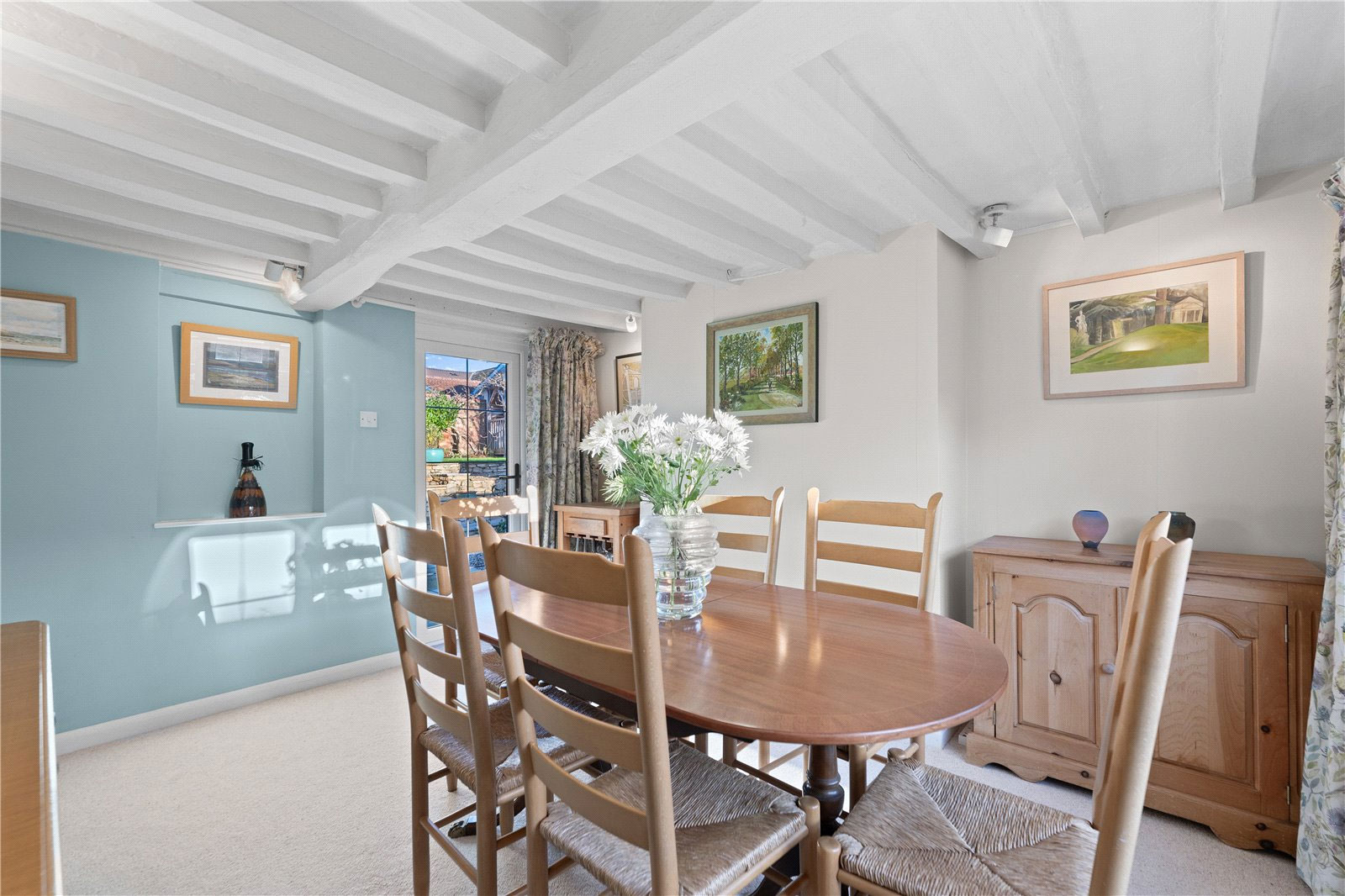
Searching for your dream home is an exciting yet sometimes overwhelming experience for you and your family. At Gascoines, we understand that when you fall in love with a property, it’s easy to get swept up in the moment and forget to ask important questions that could influence your final decision.
So, what should you be asking? Our partner and housing expert, Luke Saywell, shares the top questions to ask when viewing a house, bungalow, or apartment.
1. Why is the property being sold?
“One of the first questions to ask when viewing a property should be about the reason for the sale,” says Luke.
“Understanding the seller’s motivation can help you make a more informed decision. Are they relocating, or does the property form part of a deceased estate and if so, has the probate been granted?
“The estate agent may not always have the answer, but it’s still worth asking,” Luke continues.
2. How old is the property?
“The age of a property is an important factor that could influence your decision,” Luke explains.
“Older homes often have charm and unique features that are difficult to replicate in new builds. However, they may also come with challenges such as outdated plumbing, older building materials, or lower energy efficiency. Renovation and maintenance costs should be considered, as they can impact your overall budget.”
3. What is included in the sale price?
“Be sure to clarify what’s included in the sale,” says Luke. “Ask whether fixtures, fittings, and appliances are part of the sale. What about the shed or greenhouse? What is listed on the sales particulars? Is this all included?
“This will help prevent misunderstandings later. While the seller’s T10 form (provided by your solicitor) will confirm the details, knowing in advance will give you a clearer picture of your final costs.”
4. How energy efficient is the new home?
In today’s market, energy efficiency is a major factor,” Luke explains. “Wall and roof insulation, modern boilers, and double glazing can significantly impact energy consumption and reduce your utility bills.
“Your estate agent should provide the property’s energy performance certificate (EPC) and any specific energy enhancing features the home might have, such as a combi boiler or solar panels, to understand its energy efficiency.
5. What’s the local area like?
‘The quality of the local area can be a make or break decision for many perspective buyers. Luke says. “Consider factors like local schools, transport links, healthcare facilities, leisure activities, and restaurants.
“Safety is also key. A strong sense of community, low crime rates, and neighbourhood watch schemes can make a significant difference. These factors not only impact your lifestyle but can also affect the property’s resale value.
“Visit local pubs, cafés, and parks to get a feel for the area. If the property is near a busy road, check noise levels at different times of the day.”
6. What local plans could affect the property?
“It’s important to be aware of any planned developments nearby,” Luke advises.
“Plans for any new developments can either be a positive or a negative depending on your individual circumstances. A new housing estate could block a scenic view or increase local traffic. On the other hand, infrastructure improvements like new schools or transport links could boost property value. Understanding these plans early can help you make a well-informed decision.”
7. What is the council tax band for this property?
“Council tax bands range from A (lowest) to H (highest), with costs varying by area,” says Luke. “Knowing the exact amount will help you budget for your monthly and annual outgoings.”
8. Which way does the property face?
“The property’s orientation can impact your daily life,” Luke explains. “Do you want to enjoy morning sun with your coffee, or would you prefer evening light on your terrace? South-facing homes receive the most sunlight, while north-facing ones stay cooler in summer.
“Consider which rooms you’ll use most and how natural light will affect them.”
10. What are the parking arrangements and costs?
“For those with vehicles, parking is crucial – especially in urban areas,” Luke says.
“Find out about parking availability, proximity to the property, and whether a permit is required. Limited or expensive parking could impact your decision, particularly if your household has multiple cars.”
So, there you have it – 9 questions to ask when viewing a house, bungalow or apartment. We hope this guide helps with your property search. For more expert advice, sign up for our mailing list, explore our latest properties, or follow us on Instagram and Facebook for helpful tips.