The short-stay market is booming in the UK, with millions of tourists booking guest nights last summer. Airbnb, Booking.com and Expedia Group recorded 28.8 million guest nights from 2.7 million stays in July to September 2023 (Office for National Statistics).
So, what is Airbnb and how does it work? Airbnb is an online platform, where users can find and book a place to stay. Airbnb connects people who want to turn their home into an Airbnb, which they can rent out to people who are looking for accommodation.
While investing in an Airbnb property can be a profitable venture, it requires careful planning and strategic decision-making. This includes choosing the right location and navigating any local regulations to ensure your property is the perfect short-term stay.
Luke Saywell, partner at Nottinghamshire family-run estate agents Gascoines, shares his step-by-step guide to help you make informed decisions to set up a profitable Airbnb property.
1. Finding the perfect spot
Just like any business, location is crucial for your Airbnb property. We recommend thorough market research and to consider the following:
- Tourist magnets: Focus on areas with high tourism traffic, proximity to attractions, or those with a lack of traditional hotel options. Tourist hotspots are always in demand
- Seasonal hotspots: Coastal towns and popular national parks can draw in seasonal tourists
- Up-and-coming areas: Consider trendy neighbourhoods or areas with new developments for potential growth
Assessing competitor performance is also crucial. Look at similar Airbnb listings in your target area, noting their pricing, occupancy rates, amenities offered, and guest reviews. This will help you gauge what’s working and what’s not in the local market.
2. Understand legal and regulatory requirements
Before you welcome any guests, you need to familiarise yourself with local rules and regulations of the town or city your property is in. These rules can vary widely, so it crucial to understand what permits you might need and local tax requirements, including occupancy taxes and incoming reporting.
Standard homeowner’s insurance may not cover short-term rentals, so look into specialised insurance policies for Airbnb hosts that cover guest injuries, property damage, and potential legal issues.
3. Financial planning and budgeting
Once you are confident you can comply with the regulations, you can turn to focusing on financial planning and budgeting. Here’s what to factor into your financial plan:
- Startup costs: Consider the down payment (usually 20-30% of the property’s purchase price), renovations, furnishing and decor costs. Don’t forget ongoing expenses such as utilities, maintenance and potential property management fees
- Potential earnings: Research your market to estimate nightly rates, occupancy rate (how often your place is booked), and seasonal variability in demand
- Finance options: Explore traditional mortgages, vacation rental loans, or even partnering with other investors to share the costs and profits
4. Choosing the right property
Picking the perfect Airbnb property involves understanding who you want to host and what aligns with your target market’s preferences.
Apartments are ideal for business travelers and urban locations, while single-family homes are sustainable for families or groups who desire a more spacious, homey feel. Unique properties such as yurts, treehouses, or houseboats can attract specific guest preferences and potentially higher rates.
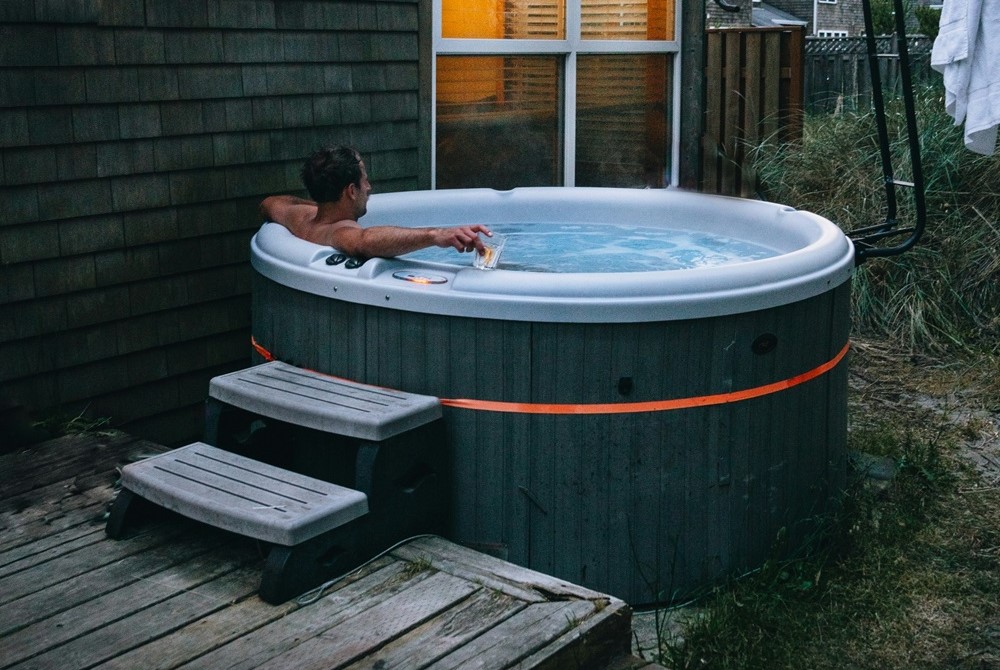
Consider the must-have amenities and features that will make your Airbnb property stand out. Amenities such as high-speed WIFI and air conditioning are considered as a deal breaker for many guests. It’s not just about the basics – consider desirable features such as a pool, relaxing hot tub, or a scenic view, and allowing pets can attract a broader range of guests.
Assess the property’s condition and whether it requires major repairs or upgrades. Look for value-adding opportunities. Could you convert a basement into a liveable space or enhance the outdoor area? Every extra bedroom expands your reach. By showcasing more potential bedrooms you open yourself up to advertising to larger families and groups, resulting in increasing your nightly rate and overall income.
5. Present with intent
Turning your place into an Airbnb goes beyond personal preference and involves renovation and interior design, furnishing and stocking, and creating a compelling listing.
Furnish the property with comfortable furniture and soft furnishings, and ensure it is stocked with essentials including kitchenware, and toiletries. You could also consider including extras such as books, board games, or local guides to enhance the guest experience.
High quality professional photography will make your listing stand out, showcasing the unique personality of your property. Write a compelling description that highlights all the special features and amenities, drawing guests in with a touch of personality. After all, people choose Airbnb for a reason – they are looking for an experience and don’t want a copy and paste corporate offering.
6. Manage with diligence
Before you dive in, decide if you’ll manage the property yourself or hire a professional property management company. This includes guest communication, check-in and check-out coordination and keeping the place spotless and ready for new arrivals.
Boost your listing’s visibility by promoting it through various channels. Use platforms like Instagram and TikTok to show off your property’s unique style. Partnering with local businesses can also attract guests looking for a curated experience.
7. Ensuring long-term success
Stay ahead of the game by keeping an eye on Airbnb trends and incorporating fresh ideas to keep your listing exciting. Don’t forget to keep an eye on local regulations to ensure your property stays compliant. Maintain accurate financial records and manage tax obligations to avoid any legal issues in the future.
Investing in an Airbnb might seem daunting at first, but with careful planning, marketing research, and strategic decision-making, it can be a rewarding journey. By following this guide in turning your home into an Airbnb, you can maximise your investment’s potential and create a thriving property that brings you both enjoyment and profit.
In the process of turning your home into an Airbnb? Contact us today to speak to one of our property experts.