


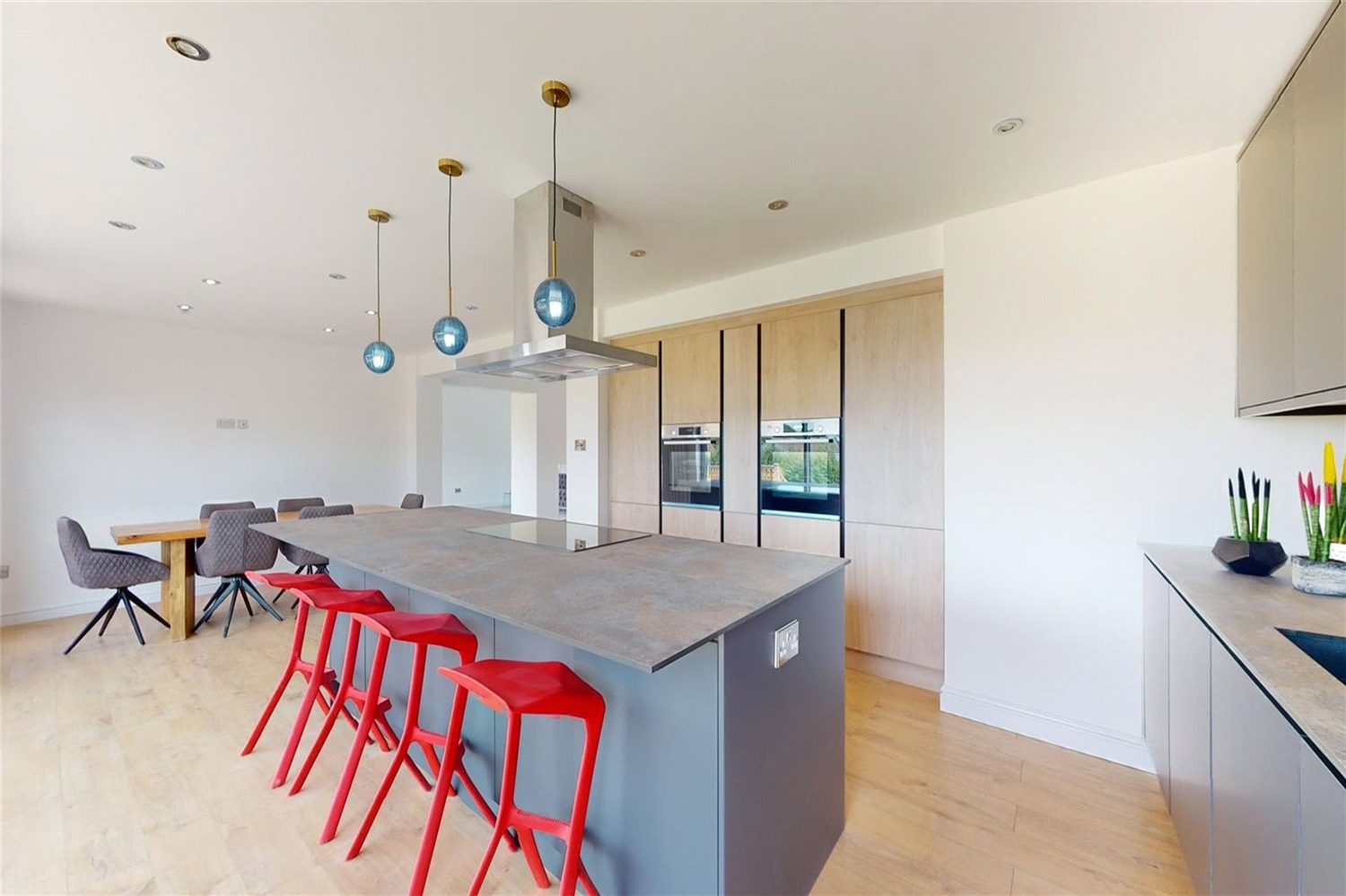
Whether you’re searching for your next property or tenant, one common question arises when it comes to renting: should you rent furnished or unfurnished? As with most things, there are pros and cons to each option for both tenants and landlords.
When it comes to house hunting, personal preference plays a key role – what suits one renter or landlord may not be ideal for another. So, whether you’re a tenant searching for a home that meets your needs or a landlord looking to attract the right tenants, it’s advisable to weigh up the benefits of each option.
What is the difference between furnished and unfurnished?
A fully furnished property should come equipped with all the main furniture and essential white goods, including:
- Sofa
- Bed and mattress
- Table and chairs
- Wardrobe
- Oven
- Fridge and freezer
- Washing machine
- Blinds or curtains
Additional items are at the landlord’s discretion, as there is no strict definition of ‘furnished’. Some landlords may include coffee tables, mirrors or lamps, while others might provide cleaning appliances such as a vacuum cleaner. Others may prefer to offer only the essentials, allowing tenants to personalise the space, as long as essential fire safety, security and utilities are in working order.
An unfurnished property doesn’t necessarily mean empty. At a minimum, landlords should include:
- White goods such as an oven, hob and extractor
- Flooring
- Light fittings
- Bathroom fixtures
There is also a middle ground: part furnished properties. These typically include everything from the unfurnished list, plus optional extras such as a sofa or bed.
What are the benefits of renting a furnished property for tenants?
For renters, furnished properties offer several advantages, particularly for those committing to a short-term lease, such as students, corporate tenants or young professionals. They provide flexibility, convenience and upfront cost savings, as tenants don’t need to invest in furniture. The ability to move into a ready-made home is a major selling point.
What are the benefits of renting a furnished property for landlords?
Furnishing a rental property appeals to a wider pool of prospective tenants, including those seeking short-term rentals, such as students or professionals on temporary contracts. It also enables landlords to accommodate month-to-month or extended-stay tenants, offering greater flexibility in rental agreements.
Furnished properties often command higher rent compared to unfurnished ones due to the added value.
Additionally, a fully furnished property may give landlords a competitive edge. Well-presented, furnished homes are often more visually appealing in listings and during viewings, helping prospective tenants imagine themselves living there.
What are the benefits of renting an unfurnished property for tenants?
Unfurnished properties tend to appeal to long-term tenants, such as young couples who want to personalise their space, families who need adaptable furniture for growing children, or individuals who already own furniture and don’t want to store or sell it.
One key advantage for tenants is the ability to make the property feel like home. Unfurnished rentals may also have slightly lower rent compared to furnished ones, and tenants won’t have to worry about losing their deposit due to accidental damage to furniture.
What are the benefits of renting an unfurnished property for landlords?
Furnishing a rental requires a significant upfront investment and ongoing maintenance. By offering an unfurnished property, landlords can avoid the hassle of purchasing, maintaining and replacing furniture. There’s also no need to keep an inventory of items after each tenancy.
Additionally, landlords don’t need to worry about insuring furniture or handling wear and tear. Attracting long-term tenants may also provide a more stable rental income. Finally, if the landlord decides to sell, there’s no need to clear out furniture before listing the property.
As a landlord am I obligated to furnish the property?
No, landlords are not required to furnish their property. However, even unfurnished properties must meet basic requirements, including essential appliances, flooring, blinds or curtains, light fittings and kitchen and bathroom fixtures.
As a landlord if I choose to furnish the property can I protect my investment?
Yes, there are a few things you can do to protect your investments, they include:
Thoroughly screen your tenants
Before approving a tenant’s application, carry out thorough checks to ensure your property is in good hands. This includes background checks, income verification, credit reports, tenant references and, where possible, meeting prospective tenants in person.
Create an inventory list
A comprehensive inventory checklist will help settle disputes at the end of the lease. This document records the condition of each item when the tenant moves in, making it easier to assess any changes over time. Having a co-signed inventory ensures both parties are protected.
Perform regular property inspections
Once a tenant has moved in, landlords should schedule regular property inspections – we suggest every three months – while providing the required notice. This helps ensure the property and furnishings remain in good condition and you maintain a face-to-face relationship with tenants.
As a tenant which is best for me?
Deciding whether to rent furnished or unfurnished is a big decision and ultimately comes down to personal preference and circumstances. Tenants may also find part-furnished properties, depending on their search preferences.
If you don’t own much furniture and want a short-term, hassle-free lease, a fully furnished property may be the best option. However, if you already own furniture, are looking for a long-term home or have specific interior design preferences, an unfurnished property may be a better fit.
If you’re a landlord or tenant looking for advice on whether to rent furnished or unfurnished, contact us today, sign up for our mailing list or follow us on Instagram and Facebook for helpful tips.